

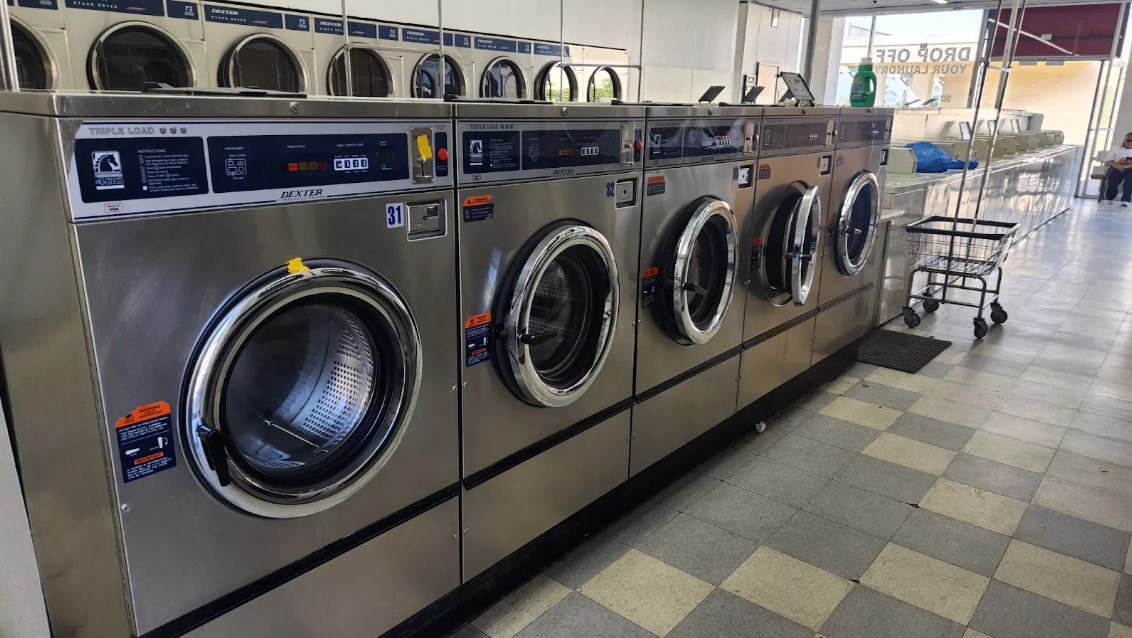
The laundromat industry has long been regarded as one of the most stable and resilient segments of the small business landscape. Unlike traditional retail, where success depends on fluctuating consumer trends, laundromats provide an essential service that remains in constant demand. Whether the economy is thriving or in a downturn, the fundamental need for clean clothing persists. For investors who are interested to buy a business in this sector, the appeal lies in the potential for consistent cash flow, limited inventory management, and a business model that is relatively straightforward to operate. However, beneath the veneer of simple coin operated machines lies a complex business that requires careful due diligence to ensure long term profitability.
Understanding the Laundromat Business Model
At its core, a laundromat is a high volume utility service. The business model relies on the consistent turnover of wash and dry cycles. Because the service is location dependent, revenue is primarily driven by the number of residents within a specific radius who do not have access to unit laundry facilities. This demographic is often concentrated in high density urban areas or among specific rental populations.
When you enter the process of business acquisition, you are essentially purchasing a collection of revenue generating machines and the rights to a specific location. The efficiency of your operation is determined by how well you maintain this equipment and how effectively you market your services to the local community. Many investors choose to buy a business in this sector because it is often viewed as a recession proof of investment. Even during economic contractions, people prioritize necessities like clean clothes, making this a reliable pillar for a diversified portfolio. If you are preparing for your acquisition, it is wise to consult business guides to learn how to identify locations that offer high traffic counts with manageable competition.
Financial Performance and Profitability
Profitability in the laundromat industry is influenced by several variables, most notably the cost of utilities and the age of the machinery. Water, gas, and electricity represent the largest overhead costs. An inefficient machine or leaky pipe can silently drain profits over time. Before making an offer, you must evaluate the historical financial performance of the store. Revenue in this sector is typically generated through a mix of self service laundry, dryers, and potential add on services like drop off wash and fold, vending, or alterations.
The table below outlines the typical financial performance indicators that you should analyze when evaluating a potential acquisition.
|
Category |
Typical Percentage of Gross Revenue |
Primary Impact Factor |
|
Cost of Goods Sold |
5 to 10 percent |
Vending supplies and soap sales |
|
Utilities and Energy |
15 to 25 percent |
Water and gas efficiency |
|
Labor Costs |
10 to 20 percent |
Attendant wages and cleaning staff |
|
Maintenance and Repairs |
5 to 10 percent |
Equipment age and preventive care |
|
Rent and Lease |
15 to 25 percent |
Location density and lease terms |
|
Net Operating Profit |
20 to 35 percent |
Efficiency of operations |
Understanding these metrics allows you to perform an accurate business valuation before you commit to your capital. It is important to remember that gross revenue is not the same as profit. An experienced investor will always calculate business break even point to ensure the volume of daily wash cycles justifies the fixed costs.

Due Diligence the Critical Step
The most significant risk in buying a laundromat is inheriting a failing equipment set or hidden infrastructure issues. Plumbing and electrical systems are the lifeblood of a laundromat. If the underground piping is failing or the electrical grid is insufficient for modern high speed machines, your initial investment will quickly be eclipsed by capital expenditure requirements.
You should always engage a professional to conduct a comprehensive inspection. This includes checking for compliance with local environmental regulations and ensuring that the machines have been properly serviced throughout their lifecycle. Relying on seller provided records is often insufficient. You must verify revenue claims by auditing the actual machine counters and correlating them with deposit history. Using a complete due diligence checklist is essential to ensure that you identify potential red flags before they become your legal and financial liabilities.
The following table summarizes the equipment condition assessment that every buyer must complete.
|
Equipment Component |
Inspection Focus |
Risk Level if Neglected |
|
Plumbing Systems |
Corroded pipes and pressure issues |
High |
|
Electrical Panels |
Capacity for high speed dryers |
High |
|
Coin/Card Acceptors |
Security and transaction accuracy |
Medium |
|
Washer Bearings |
Noise levels and spin efficiency |
Medium |
|
Dryer Exhaust |
Lint buildup and fire safety |
Critical |
If the inspection reveals significant deterioration in the equipment, you should adjust your offer price accordingly. Many investors use this stage to renegotiate terms or ask for seller financing to mitigate the risk of immediate equipment replacement costs. It is important to evaluate a business for sale by considering the physical assets thoroughly before closing.

Location Strategy and Market Intelligence
The success of your investment is inextricably linked to the geography of your chosen site. A laundromat located in an area with a high percentage of single family homes within house appliances will struggle to survive. Conversely, a location surrounded by multi unit apartment complexes with aging or nonexistent laundry facilities provide the ideal customer base.
Investors should perform a thorough market research analysis to understand the demographic trends of the area. This includes assessing the density of low to middle income housing, the median household income, and the proximity of direct competitors. Accessing regional data can provide insights into whether a neighborhood is growing or declining, which is vital for long term sustainability. If you are looking at a specific city, ensure you review the municipal zoning laws as some areas have restrictions on the types of business that can operate in certain zones. You can analyze the best cities for business to determine if your target market is expanding or stagnating.
Operational Efficiency and Technology
Modern laundromats are moving away from the traditional coin only model toward sophisticated card based or app based payment systems. This transition is not just about convenience for the customer; it is a major operational upgrade. Card systems allow for flexible pricing, such as happy hour discounts or promotional credits, which can help smooth out demand during off peak times.
Furthermore, remote monitoring is becoming standard. Owners can now track machine usage, error codes, and revenue in real time from their mobile devices. This reduces the need for constant physical presence and allows for faster response times to machine failures. Implementing these operational tools can dramatically improve your profit margins by reducing downtime and theft. Effective management requires constant attention to your daily operations, which can be streamlined with time blocker software.

The table below describes the operational checklist for maintaining high performance and customer satisfaction.
|
Frequency |
Task Description |
Goal of the Task |
|
Daily |
Surface cleaning and trash removal |
Maintain customer experience |
|
Weekly |
Check coin traps and lint filters |
Prevent equipment failure |
|
Monthly |
Revenue and utility audit |
Track financial trends |
|
Quarterly |
Deep cleaning of machines |
Extend equipment lifespan |
|
Annually |
Lease and insurance review |
Ensure long term stability |
Risks and Common Pitfalls
While laundromats are generally stable, they are not at risk. One of the primary risks is the lack of a long term lease. If you do not control your real estate, you are at the mercy of the landlord. A lease that is set to expire in a few years with no option to renew is a major threat to your investment. Always ensure that the lease agreement is favorable and can be transferred to a new owner if you decide to sell the business later. You must also check business liabilities such as unpaid taxes or outstanding legal disputes that could become your responsibility after the sale.
Environmental issues also pose a unique risk. Laundromats use chemicals and water, and in some jurisdictions, there are strict requirements regarding the disposal of wastewater. If the previous owner was negligent in their compliance, you could be held liable for cleanup costs. Always conduct a thorough review of the legal standing of the business to ensure there are no pending violations or liens.
The Future of the Laundromat Industry
The industry is evolving towards ecofriendly practices. Consumers are becoming more conscious of water and energy usage. Installing high efficiency machines that use less water and energy can significantly lower your utility bills and serve as a marketing advantage. Some owners are also incorporating additional services such as professional ironing, dry cleaning, or creating a lounge like environment with free Wi Fi and vending options to differentiate themselves from competitors.
As the industry matures, the barrier to entry is increasing. The initial capital requirement is higher due to the need for modern machines and digital payment systems. However, this creates a protective moat for those who are willing to invest in technology and efficiency. By focusing on customer service and operational excellence, investors can turn a simple utility business into a highly profitable enterprise. If you are wondering how to scale your portfolio, read more on multi unit franchise ownership to learn about expanding your reach.
Strategic Acquisition Considerations
When you finally decide to move forward, you should have a clear vision of your strategy. Are you planning to be an owner operator who is on site daily, or are you looking to be an absentee owner who relies on staff? Each approach requires a different level of management intensity. If you intend to be an absentee owner, you must build robust systems for supervision and security. It is vital to analyze financial statements before you commit, so you can clearly see the impact of labor and utility costs on your bottom line.
The following table categorizes the common risk factors that investors encounter during the acquisition process.
|
Risk Factor |
Nature of Risk |
Mitigation Strategy |
|
Lease Security |
Short term or restrictive lease |
Negotiate long term renewal options |
|
Equipment Age |
Outdated or inefficient machines |
Factor replacement costs into the offer |
|
Demographic Shift |
Neighborhood gentrification |
Verify local long term development plans |
|
Competition |
New store with modern amenities |
Audit the local market saturation |
|
Utility Costs |
Escalating water or energy rates |
Install high efficiency equipment |
Taking the time to evaluate these risks upfront will save you from potential financial strain later. It is always wise to consult with professionals who understand the specifics of business valuation to ensure your purchase price aligns with the actual earning potential of the store. You may want to review business valuation basics before starting your negotiations.
Frequently Asked Questions
1. Why are laundromats considered a stable business investment?
Laundromats provide an essential service that is necessary regardless of the economic climate. Because of the consistent, recurring demand from apartment dwellers, they are often seen as a reliable, recession resistant asset class.
2. How can I verify the actual revenue of a laundromat?
You should audit the machine coin boxes or transaction logs over several weeks, review the bank statements for deposits, and compare these figures against the seller's tax returns. Do not rely solely on the profit and loss statements provided by the seller without verification.
3. What is the most important factor in choosing a laundromat location?
Density is the most important factor. You need a location within a short walk of multiple high density apartment buildings whose residents do not have access to their own laundry facilities.
4. Is it better to buy a coin operated or card operated laundromat?
Card operated or app based systems are generally preferred because they reduce the risk of coin theft, allow for more flexible pricing, and provide better data on customer usage patterns.
5. How much does it cost to update the machinery in a laundromat?
Replacing a full set of commercial washers and dryers can cost anywhere from tens of thousands to hundreds of thousands of dollars, depending on the number of machines. This is why due diligence on equipment age is critical.
6. What are the main ongoing expenses I should expect?
The main expenses include utility bills (water, gas, electricity), rent, maintenance and repairs, insurance, and labor costs for cleaning and attendants.
7. Can I successfully run a laundromat while having a full time job?
Yes, many people do this. However, it requires a significant investment in technology such as remote monitoring and card payment systems, and you will likely need to hire reliable staff for daily operations.
8. What is a typical lease structure for a laundromat?
You should look for a long term lease, typically 10 to 20 years, with multiple renewal options. A secure lease is vital to protecting your investment in the physical build.
9. What are the common environmental concerns with laundromats?
Environmental concerns often revolve around wastewater disposal and chemical runoffs. Ensure that the facility is in full compliance with all local and state environmental regulations to avoid liability.
10. How do I determine the right purchase price?
The purchase price is typically based on multiple of the Seller Discretionary Earnings (SDE). Use professional valuation methods to ensure you are not paying for projected growth that has not yet been achieved.
 Perplexity
 Claude
 Grok
Grok