

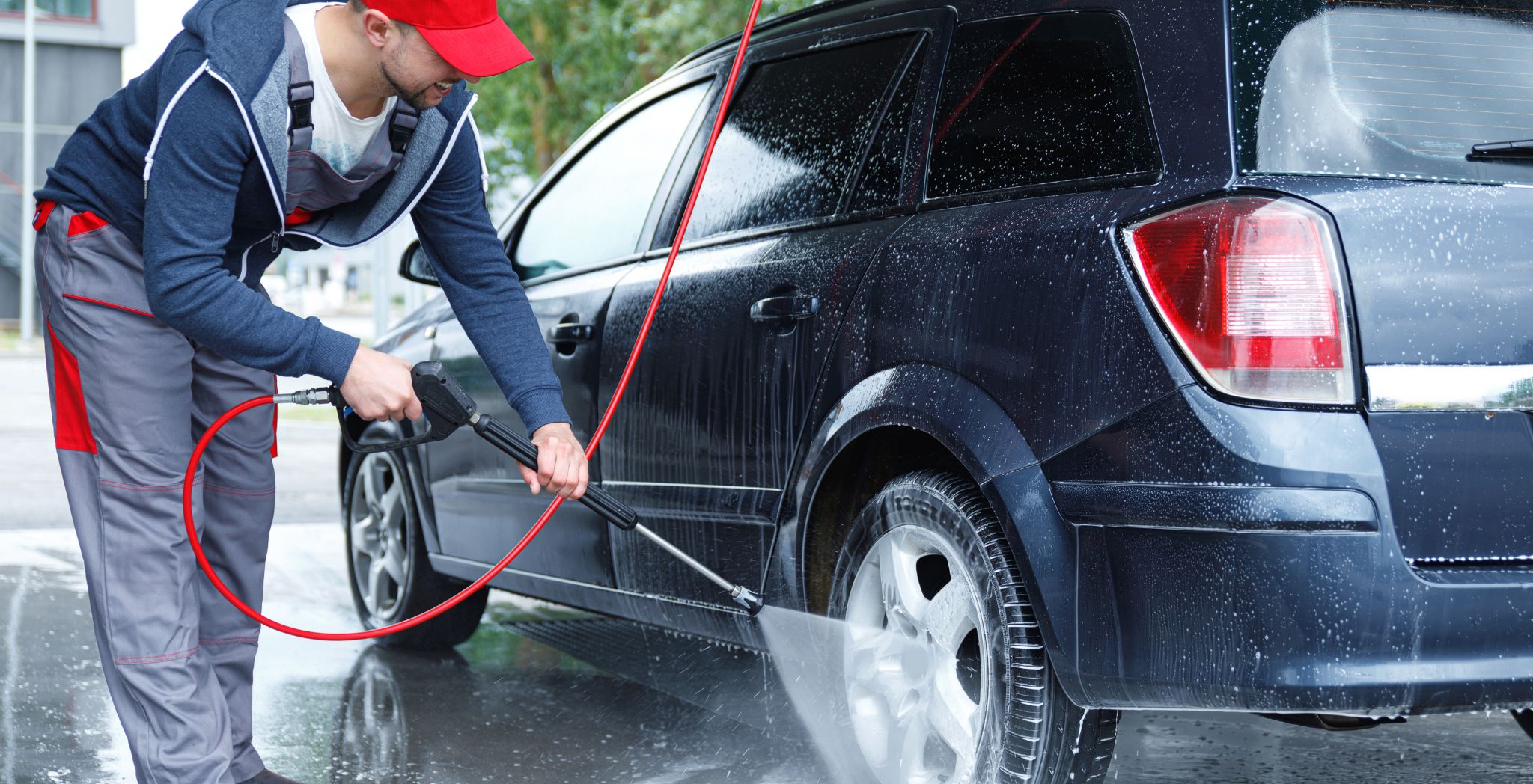
The car wash industry represents a unique intersection of retail, industrial maintenance, and consumer service. It is a sector defined by high volume, low margin transactions that, when managed correctly, generate remarkably consistent cash flow. For investors looking to move away from volatile retail environments, the car wash business offers a level of predictability that is difficult to find elsewhere. Whether you are targeting an express tunnel, a self service bay, or a full service detailing center, the path to ownership requires a rigorous approach to due diligence and a deep understanding of operational efficiency. When you decide to buy a business in this sector, you are choosing a model built on recurring need rather than discretionary whim.
The Economic Resiliency of the Car Wash Industry
When you decide to invest in this sector, you are essentially purchasing a necessary maintenance chore. Unlike discretionary luxury purchases, the need to maintain a vehicle is viewed as an essential cost by most consumers. This perception makes the industry resilient across economic cycles. Even during periods of inflation or moderate economic contraction, car owners prioritize vehicle longevity, ensuring a steady stream of traffic for well positioned facilities. This resilience is a primary reason why many entrepreneurs choose to start a business in the automotive maintenance space.
The evolution of the market has seen a transition from manual labor intensive models to automated, subscription based solutions. This shift toward automation is a critical driver of profitability. When you examine the landscape to acquire a site, you will find that the highest performing operations are those that have successfully converted one time visitors into long term members. The ability to forecast revenue through recurring membership models is what differentiates a standard operation from a high value asset. You can browse many opportunities to find a business for sale that utilizes these modern systems to ensure you are acquiring an asset with a proven path to growth.
Financial Fundamentals and Operational Metrics
The business model of a car wash is built on the balance between high fixed costs and low variable costs. Once the equipment is installed and the facility is operational, the cost of washing an individual vehicle is relatively low, consisting primarily of water, electricity, and soap supplies. The profitability lies in maximizing the throughput of the facility. To understand if a site is truly performing, you must perform a detailed audit of their financial statements. If you are new to this process, it is wise to learn how to analyze financial statements before buying a business.
The table below provides a breakdown of the typical expense structure for a commercial car wash. This is intended to help you gauge the health of potential acquisitions.
|
Expense Category |
Percentage of Gross Revenue |
Primary Impact Factor |
|
Cost of Goods Sold |
10 to 15 percent |
Chemicals and waxes |
|
Utilities and Energy |
15 to 20 percent |
Water and high pressure pumps |
|
Labor Costs |
15 to 25 percent |
Attendants and site management |
|
Maintenance and Repairs |
5 to 10 percent |
Equipment wear and tear |
|
Rent and Lease |
10 to 15 percent |
Location value and terms |
|
Net Operating Profit |
20 to 35 percent |
Efficiency of operations |
Before making an offer, you must conduct a deep dive into historical financial records. A common pitfall is overvaluing the business based on gross revenue while ignoring the impact of utility costs and equipment depreciation. You should use a reliable tool to calculate business break even point ensure that the volume of daily washes justifies the fixed costs and debt service requirements.

Strategic Location and Market Analysis
The geography of the site is the single most critical factor in the profitability of a car wash. A facility in a high density area with heavy daily commuting patterns has a distinct advantage over a site located in an area with low vehicle ownership or inconvenient road access. You must evaluate the site not just for its current revenue, but for its potential to capture traffic during peak hours.
Investors often use data driven tools to perform a regional market analysis to determine if the local purchasing power and traffic volume support the existing price point. A site with poor egress and ingress, even if it has high visibility, will suffer customer frustration and decrease repeat business. It is also important to consider the demographics of the surrounding area, as different price points appeal to different segments of the market. You can explore business guides to learn how to identify locations that offer high traffic counts with manageable competition.
The following table summarizes the factors that influence site viability.
|
Site Factor |
Description |
Impact on Revenue |
|
Traffic Count |
Average daily vehicles passing the site |
Primary driver of volume |
|
Ingress and Egress |
Ease of entry and exit for vehicles |
Critical for repeat customers |
|
Visibility |
Ability to see the site from the road |
Influences impulse visits |
|
Demographics |
Nearby housing and vehicle ownership |
Long term demand indicator |
|
Competitive Density |
Number of nearby car washes |
Market saturation risk |
For those looking to expand their footprint, it is helpful to understand the best states to buy a business in the United States to ensure you are targeting markets with favorable economic conditions. Evaluating the broader market can also help you determine if you should consider franchise opportunities instead of an independent operation.
The Importance of Equipment Due Diligence
The machinery inside a car wash is a significant capital investment. When you evaluate a business for sale, you are inheriting the state of this equipment. If the pumps, controllers, or reclamation systems are outdated or near the end of their operational life, your initial investment will quickly be consumed by replacement costs.
Environmental compliance is another massive area of risk. Car washes are strictly regulated regarding the disposal of wastewater and the use of chemicals. You must verify that the site has a compliant water reclamation system, and that all discharge permits are up to date. It is essential to follow a complete due diligence checklist to ensure that you identify potential red flags before they become your legal and financial liabilities.
The table below outlines the key inspection areas that every buyer must prioritize during the due diligence phase.
|
Assessment Area |
Inspection Focus |
Risk Level |
|
Wastewater Systems |
Compliance with city disposal rules |
Critical |
|
Pumping Equipment |
Age and hydraulic pressure capability |
High |
|
Electrical Panels |
Capacity for modern automated systems |
High |
|
Structural Integrity |
Roof, foundation, and bay layout |
Medium |
|
Point of Sale |
Transaction data and subscription logs |
Medium |
|
Signage and Lights |
Visibility and evening safety |
Low |
If you are concerned about the state of the assets, always remember to check for business liabilities before purchasing to protect your capital.

Scaling Operations with Technology
Modern car washes are moving toward mobile first and subscription based models. Technology is the primary lever for increasing customer lifetime value. If you are handling a high number of customers, implementing an automated CRM and membership system can help you track user behavior and increase retention.
Effective management also requires constant attention to your daily operations, which can be streamlined with professional management software. For many owners, the goal is to shift from an owner operator model to a management focused model. This transition requires documenting your processes and ensuring that your staff is trained to maintain the equipment daily. If you find yourself struggling to organize your daily tasks, you might benefit from using a time blocker to manage your schedule as an owner.
The following table highlights the operational metrics that high performing car wash owners monitor on a weekly basis to maintain profitability.
|
Operational Metric |
Target Performance |
Monitoring Tool |
|
Cost per Wash |
Below 2 dollars |
Supply inventory module |
|
Average Ticket Size |
15 to 25 dollars |
Sales analytics software |
|
Daily Throughput |
200 plus vehicles |
Site flow tracker |
|
Labor Efficiency |
Below 20 percent of revenue |
Payroll management |
|
Subscription Count |
500 plus active members |
Customer portal |

Franchise versus Independent Operations
Investors often face the choice between buying a branded franchise or an independent station. Franchising offers a built in support system, including recognized branding, vetted supply chain agreements, and operational playbooks. This is often beneficial for first time buyers who need to minimize the learning curve. However, you must consider the ongoing royalty fees and the restrictions that come with franchise ownership.
On the other hand, an independent station offers total autonomy. You can curate your service offerings, pricing, and chemical usage to match the local demographic. To understand if this is the right path for you, explore franchise opportunities and compare them with the operational effort required to maintain an independent store. Remember that buying a franchise requires specific due diligence, as described in franchise due diligence guides.
|
Comparison Feature |
Franchise Operation |
Independent Operation |
|
Brand Recognition |
Established and national |
Needs local marketing |
|
Operational Support |
Extensive playbooks and training |
Self managed |
|
Royalty Costs |
Significant percentage of revenue |
None |
|
Flexibility |
Limited by corporate standards |
Full control |
|
Entry Barrier |
Franchise fees required |
No franchise fees |
Navigating the Legal and Regulatory Environment
Car washes are subject to intense regulatory scrutiny. From zoning laws that govern the operation of commercial vehicle services to specific environmental regulations regarding chemical runoff, the administrative burden is significant. When you start a business in this sector, you must ensure your entity formation is structured to handle these compliance requirements.
Many investors find that working with a professional service for business formation helps streamline the process of transferring licenses. Do not assume that existing permits will automatically transfer to you. Many jurisdictions require a full re application process, background checks, and an operational review. If you are a first time investor, you might want to look into how to buy a business in the United States understand the standard legal steps involved.
Managing Risks and Future Trends
The energy landscape is changing. Water conservation is becoming a major public policy issue, and future regulations may require even more efficient reclamation systems. Planning for this transition today ensures your property remains relevant in the next decade. As electric vehicles become more common, some car wash owners are exploring dual use sites that offer interior cleaning services or even high speed charging stations.
Managing your risks requires a proactive approach. Always check business liabilities such as unpaid taxes or outstanding legal disputes that could become your responsibility after the sale. If you intend to scale, consider how your property portfolio can be diversified to include different types of service stations.
The following table summarizes the common risk factors that investors encounter during the acquisition process and how to mitigate them.
|
Risk Factor |
Nature of Risk |
Mitigation Strategy |
|
Lease Security |
Short term or restrictive lease |
Negotiate long term renewal options |
|
Equipment Age |
Outdated or inefficient systems |
Factor replacement costs into offer |
|
Utility Regulation |
Escalating water or discharge rates |
Install high efficiency reclamation |
|
Demographic Shift |
Neighborhood gentrification |
Verify local long term development plans |
|
Competition |
New store with modern tech |
Audit local market saturation |

Frequently Asked Questions
1. Why is a car wash considered a recession resistant business?
People continue to wash their vehicles regardless of the economic climate. It is a recurring, essential maintenance service that remains in constant demand, making it a reliable option when you decide to buy a business.
2. How can I verify the actual revenue of a car wash?
You should audit the transaction logs from the point of sale system, review bank deposits for the last two years, and cross reference these with the seller's tax returns. Verification is crucial when you evaluate a business for sale.
3. Is it better to buy an automated or self service car wash?
Automated tunnel washes typically offer higher volume and revenue potential but require more maintenance. Self service bays have lower overhead but may generate less total revenue.
4. How do I determine the right purchase price for a car wash?
The price is usually determined by a multiple of the Seller Discretionary Earnings. You must adjust this based on the age of the equipment and the condition of the lease. You can learn more about this by reviewing business valuation basics.
5. What is the biggest challenge in operating a car wash?
Equipment failure and downtime are the primary challenges. Keeping the machinery running effectively is the key to maintaining customer satisfaction and revenue.
6. Do I need special water permits to operate a car wash?
Yes. Most jurisdictions require specific permits for water usage and the discharge of chemical laden wastewater into the city's sewer system. You should research the requirements as you start a business.
7. How much does it cost to update car wash equipment?
Depending on the scope, replacing a tunnel system can cost from 50,000 to over 500,000 dollars. This is why due diligence on equipment age is critical.
8. Can I run a car wash remotely?
While you can monitor many aspects remotely using modern software, a car wash requires a physical presence for cleaning, maintenance, and addressing customer issues.
9. How does location impact the success of a car wash?
High traffic counts, easy access from the road, and high visibility are the three pillars of a successful location. Without these, the business will struggle. You can analyze cities for growth to see if your target area is expanding.
10. Are there environmental regulations I should be aware of?
Yes. You must ensure that the car wash complies with local environmental codes regarding chemical runoff, soap disposal, and water reclamation requirements. Always review legal documents you must review before buying a business to avoid future issues.
 Perplexity
 Claude
 Grok
Grok