
Alabama Business Guide
Introduction
Alabama offers a dynamic business climate shaped by diverse industries, strategic location and supportive local policies. With a growing population exceeding 4.9 million and a GDP surpassing $230 billion, the state provides entrepreneurs with access to resources, infrastructure and a skilled workforce. From the automotive manufacturing hubs in the Huntsville region to the technology corridors near Birmingham, Alabama's regional strengths are complemented by affordable operating costs and targeted incentive programs. Business leaders benefit from a pro-growth environment, with streamlined licensing processes and tax credits designed to foster innovation. Whether launching a small startup or expanding an established enterprise, Alabama's combination of economic scale and community-focused development initiatives creates a solid foundation for sustainable success. Local universities and community colleges further support talent pipelines with specialized training programs.
Why Start Here
Entrepreneurs choose Alabama because of its supportive regulatory framework, affordable operating costs and strong community networks. State agencies like the Alabama Department of Commerce offer tailored assistance, while regional economic development authorities provide site selection and workforce recruitment services. Low energy costs and favorable tax structures enhance bottom-line performance, and access to federal research facilities in Huntsville fosters innovation in defense and technology sectors. With a growing talent pool from local universities and strategic logistics advantages, businesses in Alabama can scale rapidly. These factors create a compelling entry point for startups and established companies seeking efficient market access and long-term stability.
Alabama Economic Snapshot
Alabama Business Scorecard
Infrastructure & Connectivity
Workforce Quality
Industry Landscape in Alabama
As one of the fastest-growing states in the Southeast, Alabama has established itself as a regional business hub. The state's diverse economy spans manufacturing, aerospace, automotive, agriculture and healthcare. Strategic investments in infrastructure, including port expansions at Mobile and highway upgrades across major corridors, facilitate efficient supply chain operations. Competitive utility rates and workforce development initiatives reduce overhead and training costs for new ventures. Alabama also offers a range of state and local incentive programs, from tax credits to grants, aimed at small businesses and large-scale projects alike. This combination of resources, coupled with an expanding consumer market, makes Alabama an attractive destination for entrepreneurs seeking sustainable growth and long-term profitability.
Business Environment
Alabama's business environment is defined by its low cost of living and competitive utility rates, which reduce operating expenses for companies of all sizes. The state maintains a pro-business legislative agenda, featuring tax incentives such as the Economic Development Credit and AdvantageSite program. Public-private partnerships in infrastructure, education and workforce training further enhance competitiveness by aligning skills development with industry needs. Community colleges and technical schools collaborate with manufacturers to offer apprenticeship programs, ensuring a steady pipeline of qualified talent. Alabama's centralized location provides access to markets in the Gulf Coast, Southeast and Midwest regions. Additionally, streamlined permitting processes and dedicated economic development offices at the county and municipal levels facilitate efficient project launches and expansions.
Regulatory & Tax Climate
Alabama's regulatory framework emphasizes efficiency and transparency, with streamlined processes for business formation and licensing. The Alabama Secretary of State's online portal allows expedited filings for LLCs and corporations. Environmental regulations are managed by the Department of Environmental Management, which offers guidance for permits in major industries. While certain sectors like healthcare and finance require additional oversight, regulatory fees and compliance timelines are generally competitive. Local zoning regulations vary by municipality, but many communities offer economic development zones with reduced permit requirements. Overall, Alabama maintains a balanced approach that protects stakeholders while minimizing bureaucratic hurdles for businesses seeking to launch or expand operations.
Business Registration Process
Startup & Business Conditions in Alabama
Total Business Types
Average Startup Cost
Difficulty Breakdown
| Business Type | Estimated Startup Cost | Difficulty | Profit Margin |
|---|---|---|---|
| Agriculture and Farms | USD$: 25,000 - 100,000 | Medium | 20.00% |
| Agriculture and Farms | USD$: 10,000 - 50,000 | Hard | 10.00% |
| Art Galleries | USD$: 30,000 - 150,000 | Medium | 15.00% |
| Auto Repair and Service Shops | USD$: 50,000 - 200,000 | Medium | 18.00% |
| Auto Repair and Service Shops | USD$: 20,000 - 100,000 | Medium | 25.00% |
| Banquet Halls | USD$: 150,000 - 800,000 | Medium | 20.00% |
Top Cities for Business in Alabama
Explore business opportunities in these key cities across Alabama
Auburn
Business Guide for Auburn
Explore OpportunitiesBirmingham
Business Guide for Birmingham
Explore OpportunitiesPhenix City
Business Guide for Phenix City
Explore OpportunitiesMontgomery
Business Guide for Montgomery
Explore OpportunitiesMadison
Business Guide for Madison
Explore OpportunitiesOpelika
Business Guide for Opelika
Explore OpportunitiesDecatur
Business Guide for Decatur
Explore OpportunitiesDothan
Business Guide for Dothan
Explore OpportunitiesAlabaster
Business Guide for Alabaster
Explore OpportunitiesFeatured Franchises in Alabama



Featured Brokers in Alabama

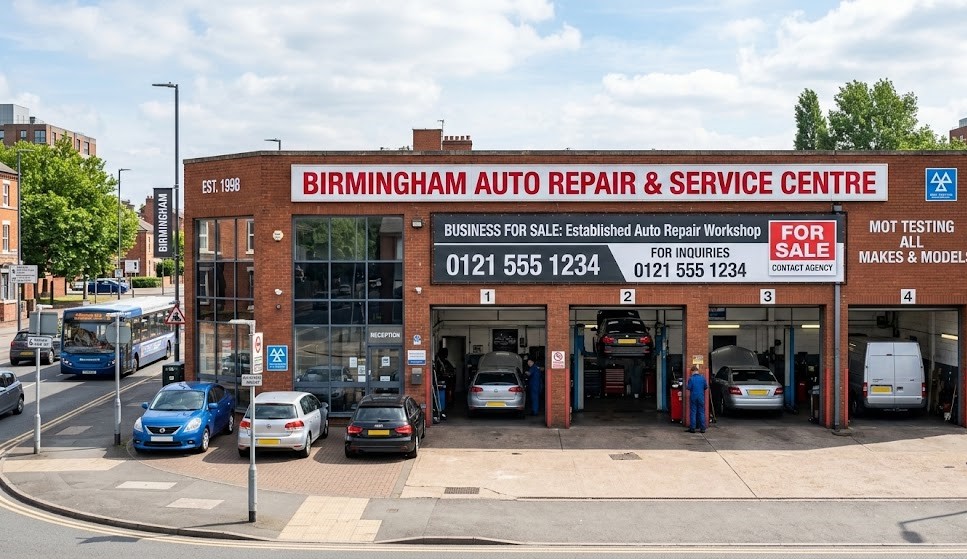
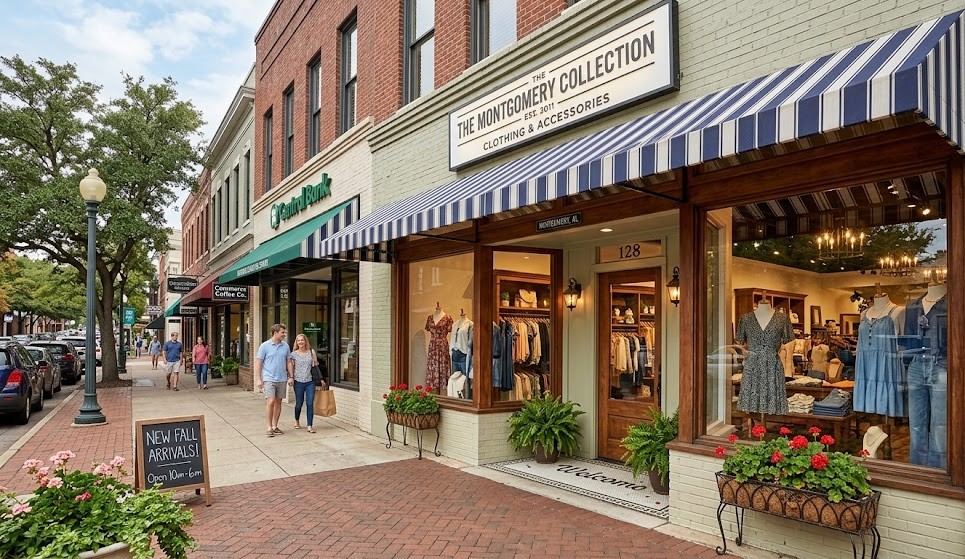
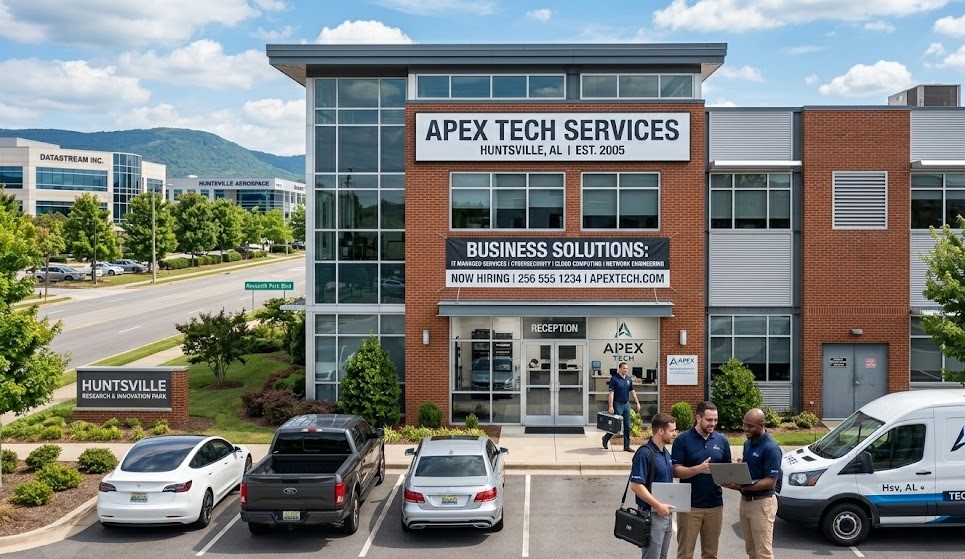
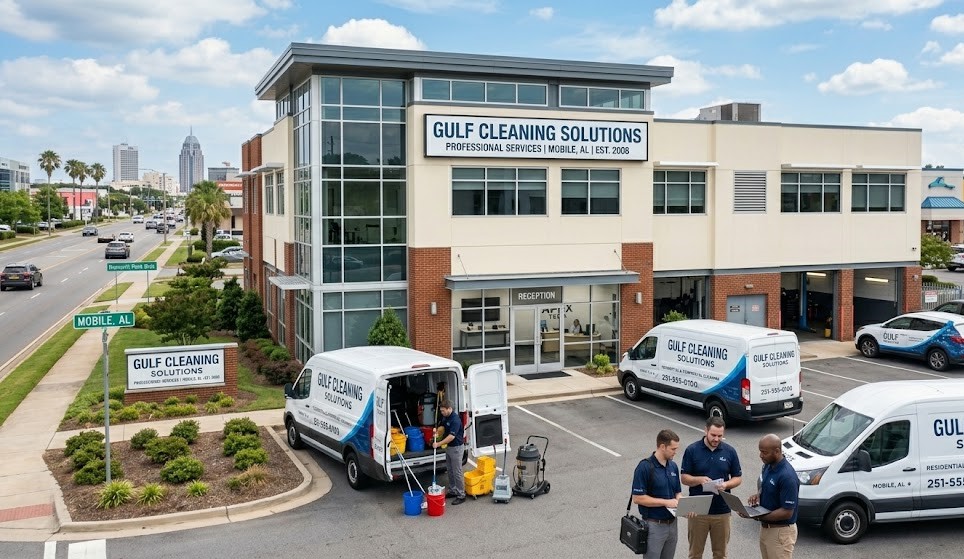
Businesses for Sale in Alabama
Frequently Asked Questions
Start Your Alabama Business Today
Get personalized assistance with your business journey in Alabama
Get Started Today