
Virginia Business Guide
Introduction
Virginia offers a dynamic environment for entrepreneurs with robust infrastructure, a skilled workforce, and proximity to federal agencies. The state boasts diverse industries ranging from technology and defense to agriculture and tourism. Strategic investments in transportation, digital connectivity, and education have fostered innovation hubs across Northern Virginia, the Hampton Roads region, and Richmond. With competitive tax incentives, streamlined regulations, and access to capital through local venture funds and regional incubators, startups can accelerate growth efficiently. Business leaders benefit from strong public-private partnerships, top-tier research institutions, and international ports and airports facilitating global trade. This guide provides an insider's look at market trends, cost considerations, regulatory pathways, and key opportunities to launch or expand operations. Discover why Virginia is consistently ranked among the top states for business climate.
Why Start Here
Virginia offers strategic advantages for businesses of all sizes. With a pro-business regulatory environment, access to world-class research institutions, and competitive tax incentives, companies can optimize operations and drive innovation. The state's skilled workforce is bolstered by top-tier universities, while diverse regional clusters provide networking and collaboration opportunities. Infrastructure investments in ports, airports, and highways support efficient supply chains. Proximity to federal agencies and defense installations gives businesses in technology, cybersecurity, and aerospace a competitive edge. Additionally, targeted grants and workforce development programs accelerate growth. Whether launching a startup or scaling an enterprise, Virginia's supportive ecosystem and growth-oriented policies position companies for long-term success.
Virginia Economic Snapshot
Virginia Business Scorecard
Infrastructure & Connectivity
Workforce Quality
Industry Landscape in Virginia
Virginia's economy is a powerhouse driven by technology, defense contracting, government services, manufacturing, and agriculture. Positioned at the nation's capital doorstep, the state attracts significant federal spending and private investment. Northern Virginia serves as a cybersecurity and information technology hub, while Hampton Roads offers one of the world's largest military complexes and port facilities. Richmond and Roanoke present growing finance and healthcare sectors. The state's diversified economy maintains steady growth, supported by favorable business tax rates and targeted incentive programs. Its central location along the East Coast corridor ensures access to major markets and transportation networks. This overview highlights key sectors, regional dynamics, and economic indicators shaping Virginia's business landscape.
Business Environment
Virginia's business environment is shaped by efficient regulatory processes, fiscal responsibility and public-private collaboration. The Virginia Economic Development Partnership offers incentives and site selection assistance, while local authorities streamline licensing and permitting. Corporate tax rates are competitive, with incentives for job creation and investment in targeted industries. The state's balanced budget requirements and AAA bond rating ensure financial stability. Workforce training programs, such as those offered by community colleges and apprenticeships, align skills with industry needs. Additionally, Virginia's global connectivity, backed by international ports, major airports, and high-speed rail projects, facilitates domestic and export trade. Entrepreneurs benefit from incubation centers, innovation districts, and strong advocacy groups, creating a supportive legal and economic framework for growth.
Regulatory & Tax Climate
Virginia's regulatory framework balances safety with efficiency. Business registration is processed online through the State Corporation Commission within 3-5 business days. Occupational licensing requirements vary by profession, with most certifications issued within weeks. Environmental permits for manufacturing and construction follow streamlined timelines under the Virginia Department of Environmental Quality, averaging 60 days. Zoning and building permit approvals are handled at the local level, with expedited options for priority projects. The state's minimum wage aligns with federal standards, and employment laws emphasize worker protections. Data privacy and cybersecurity regulations are evolving, reflecting federal guidelines. Overall, Virginia maintains transparent procedures, reasonable fees, and resources to guide compliance.
Business Registration Process
Startup & Business Conditions in Virginia
Total Business Types
Average Startup Cost
Difficulty Breakdown
| Business Type | Estimated Startup Cost | Difficulty | Profit Margin |
|---|---|---|---|
| Agriculture and Farms | USD$: 50,000 - 200,000 | Hard | 30.00% |
| Agriculture and Farms | USD$: 10,000 - 50,000 | Hard | 10.00% |
| Art Galleries | USD$: 30,000 - 150,000 | Medium | 15.00% |
| Auto Repair and Service Shops | USD$: 50,000 - 200,000 | Medium | 18.00% |
| Auto Repair and Service Shops | USD$: 50,000 - 200,000 | Medium | 20.00% |
| Banquet Halls | USD$: 150,000 - 800,000 | Medium | 20.00% |
Top Cities for Business in Virginia
Explore business opportunities in these key cities across Virginia
Leesburg
Business Guide for Leesburg
Explore OpportunitiesPetersburg
Business Guide for Petersburg
Explore OpportunitiesVirginia Beach
Business Guide for Virginia Beach
Explore OpportunitiesArlington
Business Guide for Arlington
Explore OpportunitiesRoanoke
Business Guide for Roanoke
Explore OpportunitiesHarrisonburg
Business Guide for Harrisonburg
Explore OpportunitiesBlacksburg
Business Guide for Blacksburg
Explore OpportunitiesChesapeake
Business Guide for Chesapeake
Explore OpportunitiesCharlottesville
Business Guide for Charlottesville
Explore OpportunitiesFeatured Franchises in Virginia










Businesses for Sale in Virginia
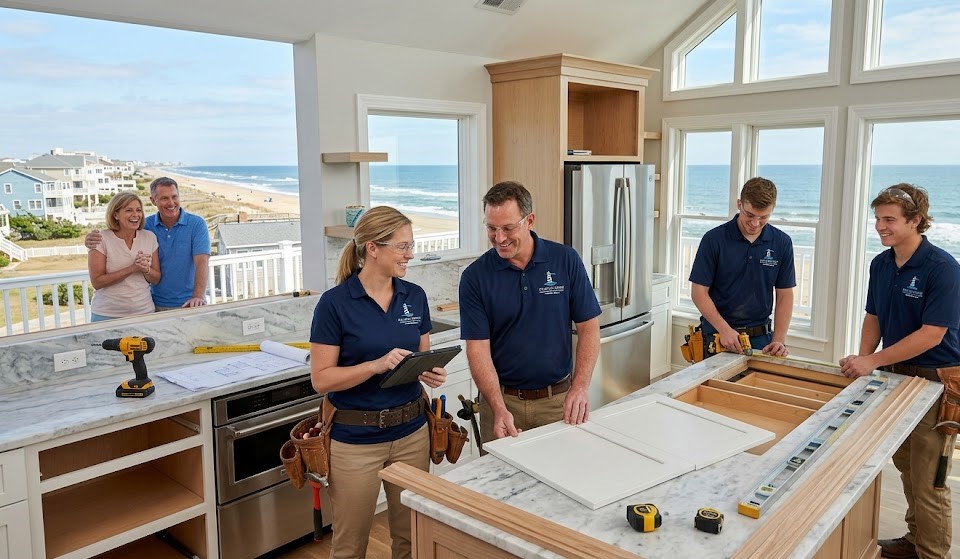 Profitable Home Remodeling Company for Sale – Virginia Beach –
Virginia Beach
Profitable Home Remodeling Company for Sale – Virginia Beach –
Virginia BeachAsking Price: USD$: 820,000



Start your Virginia business journey today
Get personalized assistance with your business journey in Virginia
Get Started Today