
Business Guide: Hawaii, USA
Introduction
Hawaii's economy is driven by a combination of tourism, agriculture, and emerging technology sectors across its diverse island regions. Entrepreneurs will find a supportive business environment underpinned by local government incentives and a strong emphasis on sustainable development. Island communities benefit from a skilled workforce, favorable climate, and strategic location within the Asia-Pacific corridor. The state's commitment to renewable energy and green innovation creates unique opportunities for startups and established firms alike. While logistical costs can be higher due to geographic isolation, ongoing infrastructure investments are improving connectivity between islands and global markets. This guide provides an in-depth introduction to Hawaii's key economic drivers, industry sectors, and the resources available for business owners seeking to thrive in this dynamic island economy.
Why Start Here
Why Start Here: Hawaii offers entrepreneurs a vibrant marketplace fueled by steady tourism demand and growing local consumer spending. The state's government provides grants and tax incentives aimed at promoting sustainable businesses, including clean energy and eco-tourism ventures. Access to a multicultural workforce and strong community networks fosters collaboration and innovation. Educational institutions partner with industry to deliver specialized training programs, ensuring businesses can recruit skilled talent. While geographic isolation presents logistical challenges, ongoing improvements in transportation and digital infrastructure help mitigate costs. Founders who embrace Hawaii's commitment to environmental stewardship and community engagement will find a supportive ecosystem for long-term success.
Hawaii Economic Snapshot
Hawaii Business Scorecard
Infrastructure & Connectivity
Workforce Quality
Industry Landscape in Hawaii
Hawaii's strategic location in the Pacific, combined with its cultural richness and environmental stewardship, positions the state as a unique hub for both domestic and international business activities. The tourism sector consistently ranks as the leading contributor to state revenue, supported by robust hospitality, retail, and cultural enterprises. Agricultural production, including sugarcane, pineapple, and coffee, remains vital to rural communities and export markets. In recent years, government initiatives have bolstered renewable energy projects, medical research, and digital technology startups. Despite higher operational costs due to island logistics, incentives such as tax credits and workforce training programs help to offset expenses. This overview section examines the state's economic structure, major sectors, and the policies underpinning a resilient island economy.
Business Environment
Hawaii's business environment balances traditional industries with a growing focus on innovation and sustainability. Government agencies, including the Department of Business, Economic Development & Tourism, offer financial assistance programs and technical support. Corporate regulations are streamlined to facilitate business registrations, though companies must comply with state licensing and environmental standards specific to island ecosystems. Workforce development initiatives, led by local community colleges and vocational schools, ensure a pipeline of skilled labor in hospitality, agriculture, and technology. The state's commitment to renewable energy, conservation, and cultural preservation influences regulatory policies, creating a favorable setting for green enterprises. Entrepreneurs can leverage public-private partnerships to access infrastructure upgrades, marketing assistance, and export promotion services to reach global markets from the Pacific hub.
Regulatory & Tax Climate
Hawaii's regulatory framework supports business creation while emphasizing environmental and cultural protections. Companies must register with the Department of Commerce and Consumer Affairs, obtain state general excise tax licenses, and secure county-level permits. Environmental impact assessments are required for projects affecting coastal and protected areas. The state enforces strict building codes and health regulations, particularly for food service and hospitality operations. Labor laws align with federal standards and include additional provisions for prevailing wages on public works contracts. Regulatory approval timelines can vary by county, so early engagement with local agencies is recommended. Overall, entrepreneurs benefit from transparent processes, online application portals, and dedicated business support offices across the islands.
Business Registration Process
Startup & Business Conditions in Hawaii
Total Business Types
Average Startup Cost
Difficulty Breakdown
| Business Type | Estimated Startup Cost | Difficulty | Profit Margin |
|---|---|---|---|
| Accounting and Tax Practices | USD$: 40,000 - 200,000 | Medium | 35.00% |
| Agriculture and Farms | USD$: 50,000 - 200,000 | Medium | 20.00% |
| Agriculture and Farms | USD$: 10,000 - 50,000 | Hard | 10.00% |
| American Restaurants | USD$: 50,000 - 300,000 | Medium | 20.00% |
| Architecture and Engineering Firms | USD$: 30,000 - 150,000 | Medium | 30.00% |
| Art Galleries | USD$: 30,000 - 150,000 | Medium | 15.00% |
Top Cities for Business in Hawaii
Explore business opportunities in these key cities across Hawaii
Honolulu
Business Guide for Honolulu
Explore OpportunitiesKaneohe
Business Guide for Kaneohe
Explore OpportunitiesMakakilo
Business Guide for Makakilo
Explore OpportunitiesSchofield Barracks
Business Guide for Schofield Barracks
Explore OpportunitiesRoyal Kunia
Business Guide for Royal Kunia
Explore OpportunitiesKihei
Business Guide for Kihei
Explore OpportunitiesKapolei
Business Guide for Kapolei
Explore OpportunitiesMililani Town
Business Guide for Mililani Town
Explore OpportunitiesEast Honolulu
Business Guide for East Honolulu
Explore OpportunitiesFeatured Franchises in Hawaii
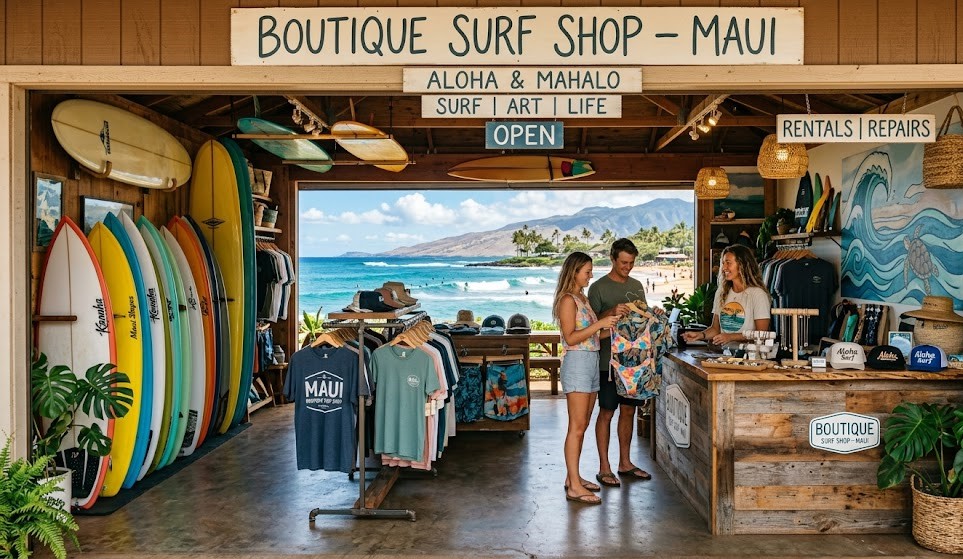
Businesses for Sale in Hawaii


Frequently Asked Questions
Download your Hawaii business guide to start planning today
Get personalized assistance with your business journey in Hawaii
Get Started Today