
Your Guide to Starting a Business in Texas
Introduction
Texas ranks as a leading state for business creation, offering a vibrant economy, diverse industries, and competitive startup conditions. From the bustling urban centers of Houston and Austin to the dynamic energy corridor in Dallas-Fort Worth, entrepreneurs benefit from a low cost of living, favorable tax policies, and robust infrastructure. This guide provides a comprehensive overview of the opportunities and resources available to business founders in Texas, including regulatory considerations, funding options, and market insights. Whether you are an aspiring tech startup or a small retail outlet, understanding the local economic landscape and support networks is crucial for success. Let this guide be your first step toward launching and growing a thriving enterprise in the Lone Star State. Structured around key metrics and expert advice, this introduction sets the stage for entrepreneurs seeking to capitalize on Texas robust growth sectors and supportive community resources.
Why Start Here
Texas provides entrepreneurs with a uniquely supportive environment, combining low taxation, minimal regulatory hurdles, and a large, diverse consumer base. The state's business-friendly policies, including no personal income tax, help founders maximize returns. Access to world-class research institutions and robust talent pipelines ensures skilled workforce availability. Furthermore, Texas offers numerous financing options, from local angel networks to national venture capital firms. Strategic geographic location with ports, highways, and airports facilitates efficient distribution. These factors, along with community-focused incubators and accelerators, create an ideal launchpad for startups to innovate, expand, and compete on a global scale.
Texas Economic Snapshot
Texas Business Scorecard
Infrastructure & Connectivity
Workforce Quality
Industry Landscape in Texas
Texas boasts the second largest economy in the US with a GDP exceeding $1.9 trillion and a population approaching 29.5 million. The state economy is driven by energy, technology, healthcare, and manufacturing sectors, creating a broad market for new ventures. Favorable policies such as no state income tax and streamlined business registrations appeal to entrepreneurs nationwide. Major urban centers offer access to venture capital, incubators, and skilled labor pools. In addition, regional development programs provide grants and incentives to encourage innovation and job creation. This overview outlines the economic foundations, demographic trends, and infrastructural assets that make Texas an attractive destination for business establishment and growth.
Business Environment
Texas offers a robust business environment characterized by pro-growth policies and extensive infrastructure. The absence of state income tax and competitive corporate tax rates reduce operational expenses. Business registration processes are streamlined through the Secretary of State's online portal, allowing companies to incorporate within days. Major metropolitan areas feature world-class convention centers, research universities, and industry clusters that foster collaboration. Transportation infrastructure includes an extensive highway network, major international airports, and deepwater ports facilitating trade. The state also invests in energy grids and water management to support industrial activities. With a diverse economy and supportive government programs, Texas consistently ranks among the top states for ease of doing business.
Regulatory & Tax Climate
Texas maintains a relatively straightforward regulatory framework for businesses, emphasizing minimal red tape and timely approvals. The state offers a single online portal for entity registration, annual reporting, and tax filings. Licensing requirements vary by industry, with sectors like healthcare and construction governed by state boards. Environmental regulations, administered by the Texas Commission on Environmental Quality, balance economic growth with resource protection. Employment laws align with federal standards, with right-to-work statutes enhancing workforce flexibility. Sales tax rates are moderate, composed of state and local portions. While compliance with federal regulations remains essential, businesses benefit from efficient state-level processes and clear guidance, reducing barriers to market entry and expansion.
Business Registration Process
Startup & Business Conditions in Texas
Total Business Types
Average Startup Cost
Difficulty Breakdown
| Business Type | Estimated Startup Cost | Difficulty | Profit Margin |
|---|---|---|---|
| Accounting and Tax Practices | USD$: 20,000 - 80,000 | Easy | 35.00% |
| Agriculture and Farms | USD$: 50,000 - 200,000 | Hard | 25.00% |
| Agriculture and Farms | USD$: 10,000 - 50,000 | Hard | 10.00% |
| American Restaurants | USD$: 100,000 - 400,000 | Medium | 20.00% |
| Architecture and Engineering Firms | USD$: 20,000 - 100,000 | Easy | 35.00% |
| Art Galleries | USD$: 20,000 - 80,000 | Easy | 30.00% |
Top Cities for Business in Texas
Explore business opportunities in these key cities across Texas
Fort Worth
Business Guide for Fort Worth
Explore OpportunitiesLaredo
Business Guide for Laredo
Explore OpportunitiesFrisco
Business Guide for Frisco
Explore OpportunitiesEl Paso
Business Guide for El Paso
Explore OpportunitiesSan Antonio
Business Guide for San Antonio
Explore OpportunitiesBrownsville
Business Guide for Brownsville
Explore OpportunitiesIrving
Business Guide for Irving
Explore OpportunitiesHouston
Business Guide for Houston
Explore OpportunitiesArlington
Business Guide for Arlington
Explore OpportunitiesFeatured Franchises in Texas







Featured Brokers in Texas


Businesses for Sale in Texas





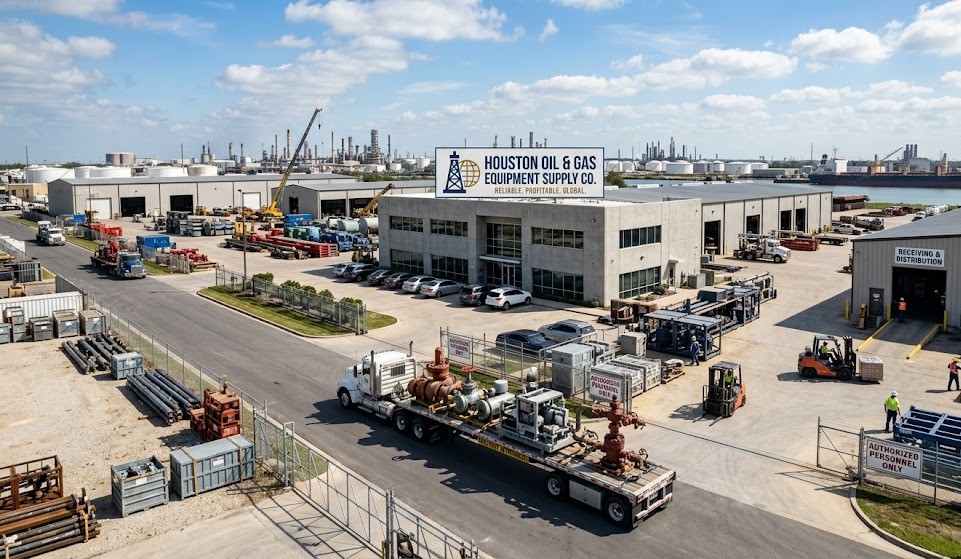 Profitable Oil & Gas Equipment Supply Company for Sale – Houston –
Houston
Profitable Oil & Gas Equipment Supply Company for Sale – Houston –
HoustonAsking Price: USD$: 1,800,000


Frequently Asked Questions
Download our Texas business startup checklist today.
Get personalized assistance with your business journey in Texas
Get Started Today