
Tennessee Business Guide
Introduction
Located in the southeastern United States, Tennessee offers a diverse economic landscape that blends traditional manufacturing hubs with growing technology sectors. With a population nearing 6.9 million and a robust transportation network anchored by major interstates and the Mississippi River, the state provides businesses with strategic market access from Memphis to Knoxville. Tennessee's pro-business tax structure, including no state income tax on wages, combined with competitive operational costs, makes it an attractive base for entrepreneurs. Key sectors such as automotive manufacturing, healthcare, and agribusiness drive sustained growth, while emerging clusters in biotechnology and advanced logistics offer fresh opportunities. This guide presents the essential insights prospective investors and startup founders need to navigate Tennessee's business environment and seize its regional advantages.
Why Start Here
As a right-to-work state with no personal income tax and moderate corporate rates, Tennessee stands out for its favorable cost structure. Businesses benefit from targeted incentive programs such as job tax credits and retraining grants, easing entry for new operations. The state's central logistics corridors, including I-40 and I-24, offer rapid access to major U.S. markets, while three international airports facilitate global trade. Tennessee's collaborative business agencies provide streamlined support for permitting and site selection, accelerating launch timelines. Entrepreneurs will find a supportive ecosystem with resources ranging from incubators in Nashville to manufacturing accelerators in Chattanooga. These attributes make Tennessee an optimal starting point for ventures seeking growth and scalability.
Tennessee Economic Snapshot
Tennessee Business Scorecard
Infrastructure & Connectivity
Workforce Quality
Industry Landscape in Tennessee
Tennessee's economy has shown consistent expansion, driven by a blend of established industries and high-growth sectors. Manufacturing remains a cornerstone, with major automotive plants in Smyrna and Chattanooga, complemented by strong food and beverage processing. The state's central location and infrastructure assets support efficient goods movement domestically and abroad. Growth in healthcare and life sciences is propelling innovation hubs in Nashville and Memphis, while the tourism-driven service economy benefits from attractions like the Great Smoky Mountains. Low operational costs and incentive programs further enhance Tennessee's appeal. Firms can leverage workforce development initiatives and research partnerships with prominent universities to gain competitive advantages. This overview outlines the fundamental economic drivers and regional characteristics that define Tennessee's business landscape.
Business Environment
Tennessee's business landscape is characterized by a resilient manufacturing base, a rapidly evolving service sector, and proactive state support. Companies benefit from a simplified tax regime - no state income tax on wages and competitive rates on corporate income - resulting in lower overhead. Regulatory processes are managed through a central portal, reducing administrative burdens and streamlining permit approvals. Workforce quality is bolstered by partnerships between industry and educational institutions like the University of Tennessee, ensuring talent pipelines in engineering and life sciences. Infrastructure investments, including upgrades to the port of Memphis and expansion of freight rail, support efficient supply chains. Additionally, community economic development agencies offer tailored assistance, from site selection to talent recruitment. This environment fosters innovation while maintaining operational cost-competitiveness.
Regulatory & Tax Climate
Tennessee's regulatory framework emphasizes efficiency and transparency, with most filings managed online through the One Stop Business Portal. Business registration can be completed within days, and ongoing compliance includes annual report filings and modest franchise tax payments calculated on net worth. Environmental regulations align with federal EPA standards, with state agencies providing clear guidance for permits related to air, water, and waste. Labor laws comply with federal Fair Labor Standards Act provisions and include right-to-work statutes. Health and safety inspections are risk-based, minimizing disruptions. Intellectual property protections follow federal guidelines, with the U.S. Patent and Trademark Office jurisdiction. Overall, regulatory complexity is moderate, with support resources available from the Department of Economic and Community Development.
Business Registration Process
Startup & Business Conditions in Tennessee
Total Business Types
Average Startup Cost
Difficulty Breakdown
| Business Type | Estimated Startup Cost | Difficulty | Profit Margin |
|---|---|---|---|
| Agriculture and Farms | USD$: 50,000 - 200,000 | Medium | 25.00% |
| Agriculture and Farms | USD$: 10,000 - 50,000 | Hard | 10.00% |
| Art Galleries | USD$: 30,000 - 150,000 | Medium | 15.00% |
| Auto Repair and Service Shops | USD$: 50,000 - 200,000 | Medium | 18.00% |
| Auto Repair and Service Shops | USD$: 80,000 - 250,000 | Medium | 18.00% |
| Banquet Halls | USD$: 150,000 - 800,000 | Medium | 20.00% |
Top Cities for Business in Tennessee
Explore business opportunities in these key cities across Tennessee
Johnson City
Business Guide for Johnson City
Explore OpportunitiesCleveland
Business Guide for Cleveland
Explore OpportunitiesNashville
Business Guide for Nashville
Explore OpportunitiesSmyrna
Business Guide for Smyrna
Explore OpportunitiesFranklin
Business Guide for Franklin
Explore OpportunitiesBartlett
Business Guide for Bartlett
Explore OpportunitiesJackson
Business Guide for Jackson
Explore OpportunitiesColumbia
Business Guide for Columbia
Explore OpportunitiesCookeville
Business Guide for Cookeville
Explore OpportunitiesFeatured Franchises in Tennessee






Businesses for Sale in Tennessee



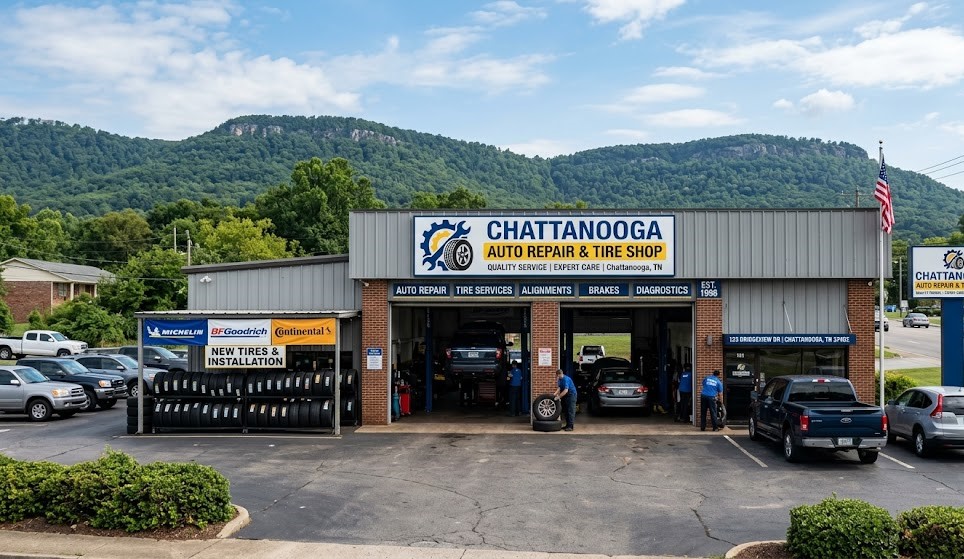

Explore Tennessee's business opportunities today
Get personalized assistance with your business journey in Tennessee
Get Started Today